LAS PALMAS DE GRAN CANARIA TOUR GUIDE
Las Palmas de Gran Canaria is the capital city of Gran Canaria and the largest city in the Canary Islands, combining urban life with beaches, culture, and history. Vegueta is the historic old quarter of Las Palmas de Gran Canaria, dating to the 15th century. It contains the Santa Ana Cathedral, the Columbus House (Casa de Colón) museum dedicated to Christopher Columbus who stopped on the island during his Atlantic voyages, and traditional Canarian architecture with carved wooden balconies. Vegueta is considered the most historically significant district in the Canary Islands.
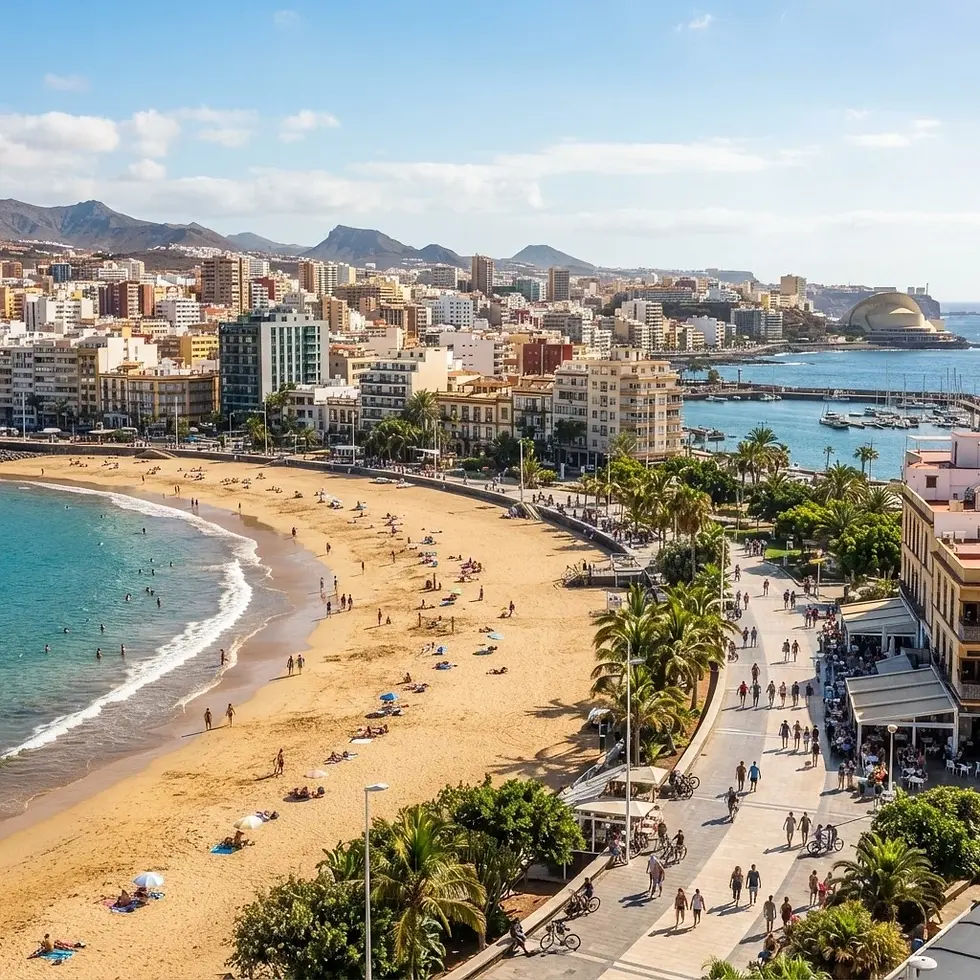
Things to do in Las Palmas de Gran Canaria
Discover the best things to do in Las Palmas de Gran Canaria, from historic neighbourhoods and museums to city beaches, rooftop bars, and shopping. Las Palmas de Gran Canaria is approximately 55–60 km from Maspalomas and Playa del Inglés, around 40–50 minutes by car or direct bus. The GUAGUA bus network connects Las Palmas to the south coast directly. Most visitors staying in the south make a day trip to Las Palmas at least once during their holiday.
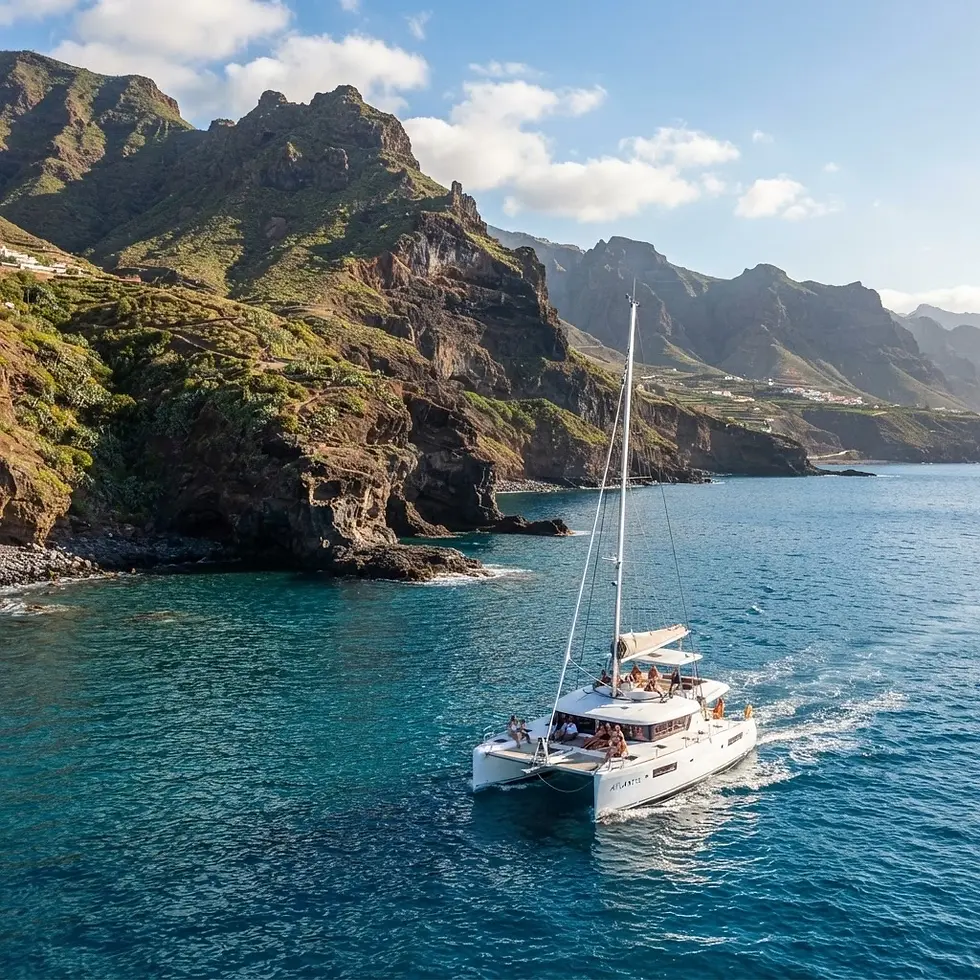
EXCURSIONS & ACTIVITIES
Las Palmas de Gran Canaria offers a wide range of activities, from exploring historic neighbourhoods and museums to coastal walks, boat trips and organised excursions. Visitors can explore the city independently or use it as a base for discovering other parts of Gran Canaria. Walking around Vegueta, exploring the waterfront and enjoying the beaches are easy ways to experience the city, while excursions provide opportunities to discover the island beyond the capital. Check meeting points, transport arrangements, weather conditions and what to bring before booking organised activities.
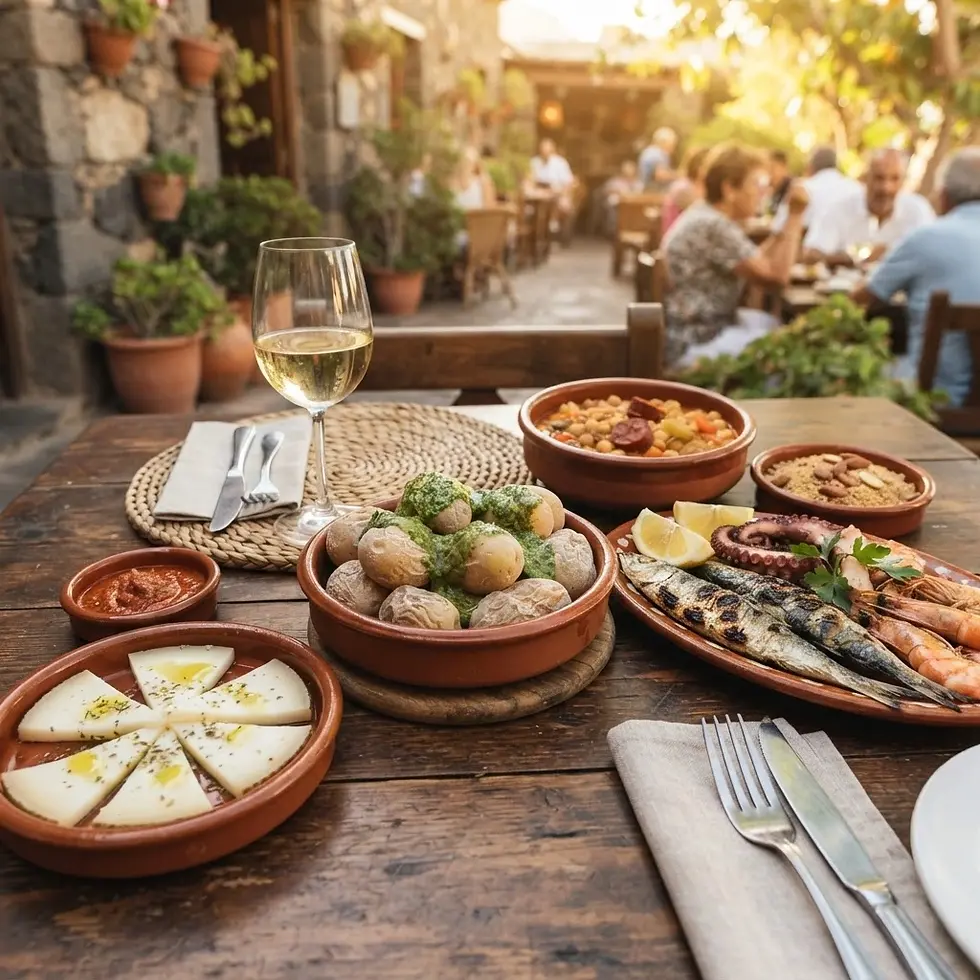
GASTRONOMY
Las Palmas has one of the most varied food scenes in Gran Canaria, combining traditional Canarian cooking with Spanish, Mediterranean and international influences. Visitors can enjoy everything from traditional tapas and local seafood to modern restaurants, cafés, bakeries and international cuisine. Canarian specialities worth looking for include papas arrugadas with mojo, gofio, local cheeses, fresh fish and other island ingredients. The historic areas and neighbourhoods around the city offer opportunities to discover both traditional flavours and contemporary dining.
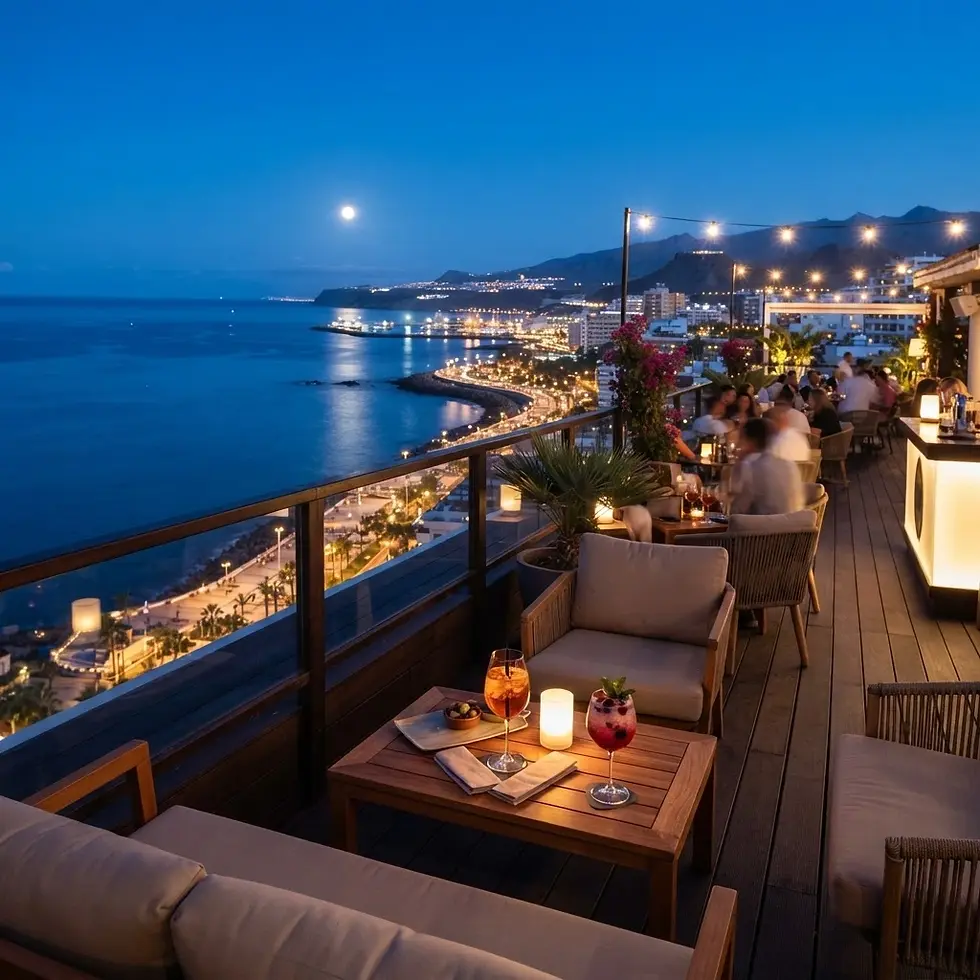
BARS & NIGHTLIFE
Las Palmas de Gran Canaria has a varied nightlife scene ranging from relaxed cafés and cocktail bars to live music venues, traditional bars and later-night entertainment. Different neighbourhoods have their own character, with areas around the historic centre offering a more cultural and local atmosphere and other parts of the city providing livelier evenings. Las Canteras is particularly suited to sunset drinks and relaxed dining beside the Atlantic. The city offers options for couples, groups and visitors looking for anything from a quiet evening to a more energetic night out.
BEACHES & BEACH CLUBS
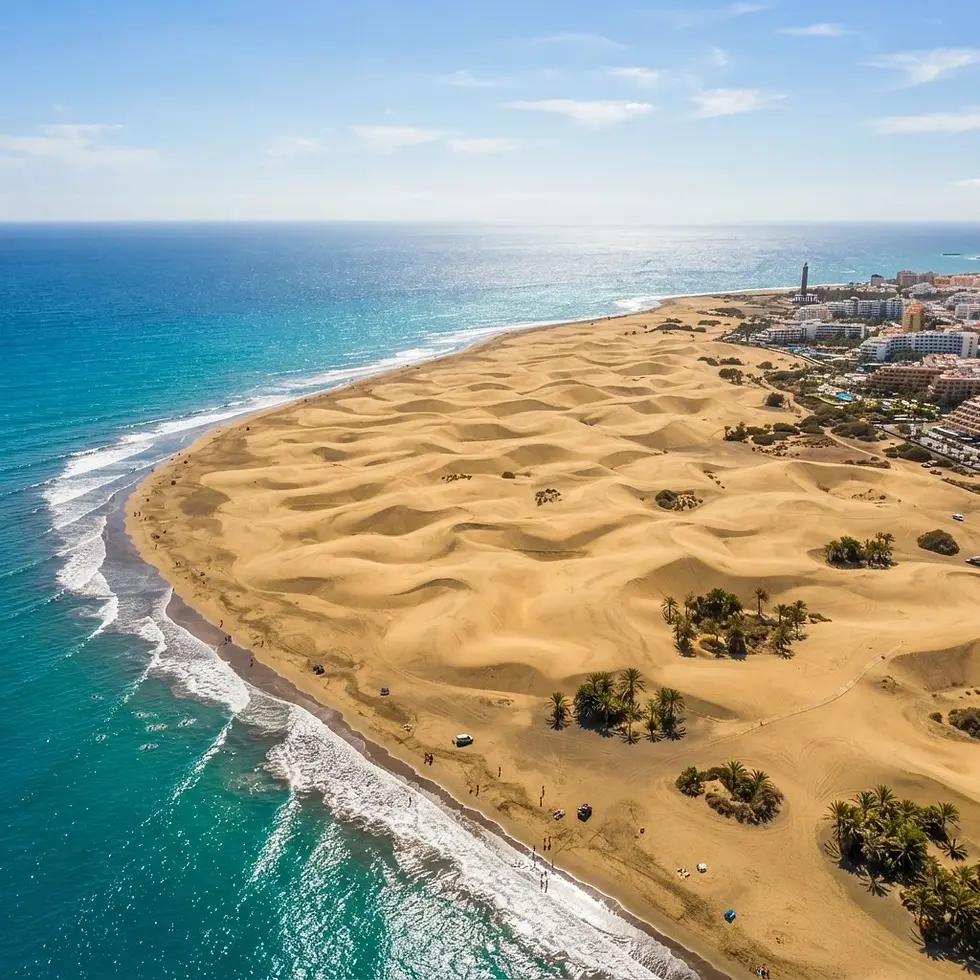
Las Palmas de Gran Canaria is home to several beaches, with Las Canteras being the most famous. Las Canteras is one of the longest urban beaches in Spain, stretching approximately 3 km along the city's northwest coast. Its defining feature is La Barra, a natural volcanic reef running parallel to the shore that creates a sheltered lagoon ideal for swimming and snorkelling. The beach holds Blue Flag status and is backed by a lively promenade with cafés, restaurants, and surf schools. It is considered one of the finest city beaches in Europe.
GOLF COURSES
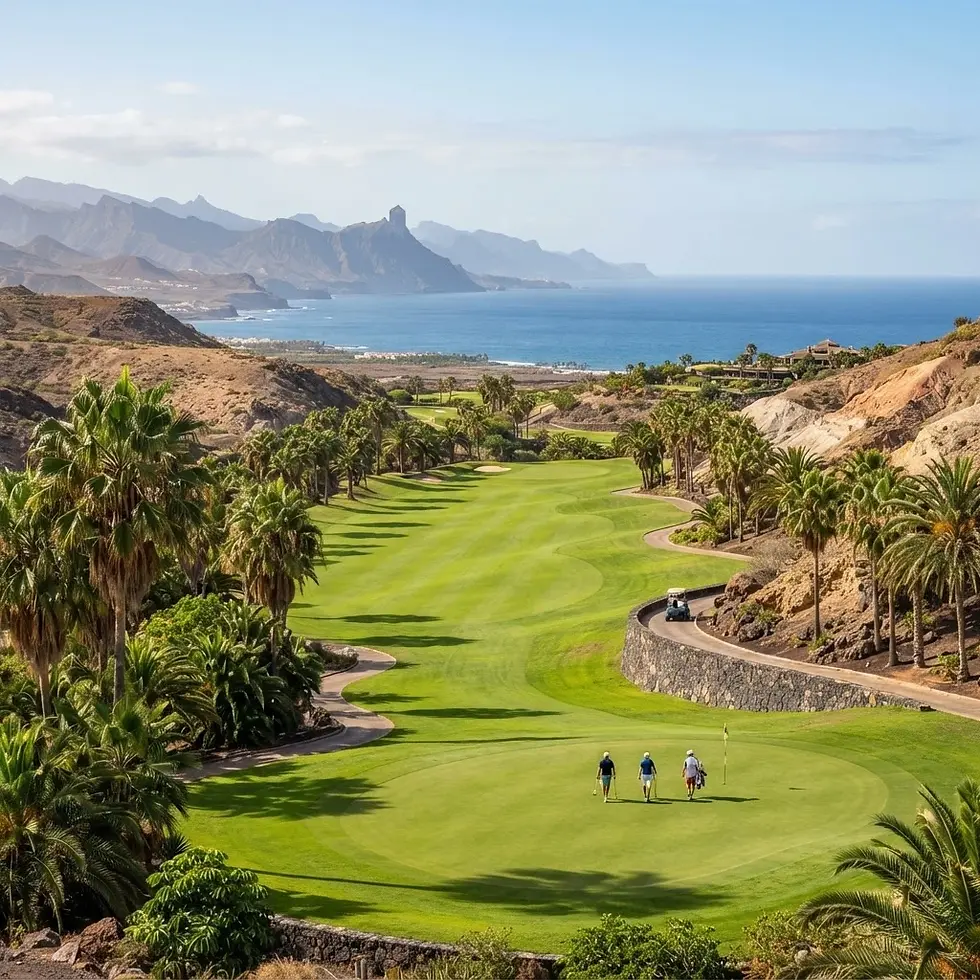
Las Palmas de Gran Canaria provides access to golf opportunities both within the city area and elsewhere on the island. Golfers staying in the capital can combine a round with city sightseeing, beaches and cultural attractions. Courses around Gran Canaria can offer very different environments, from coastal landscapes to mountain and volcanic scenery. Check current course availability, transport options, equipment hire, booking requirements and dress expectations before planning your game.
SCUBA DIVING
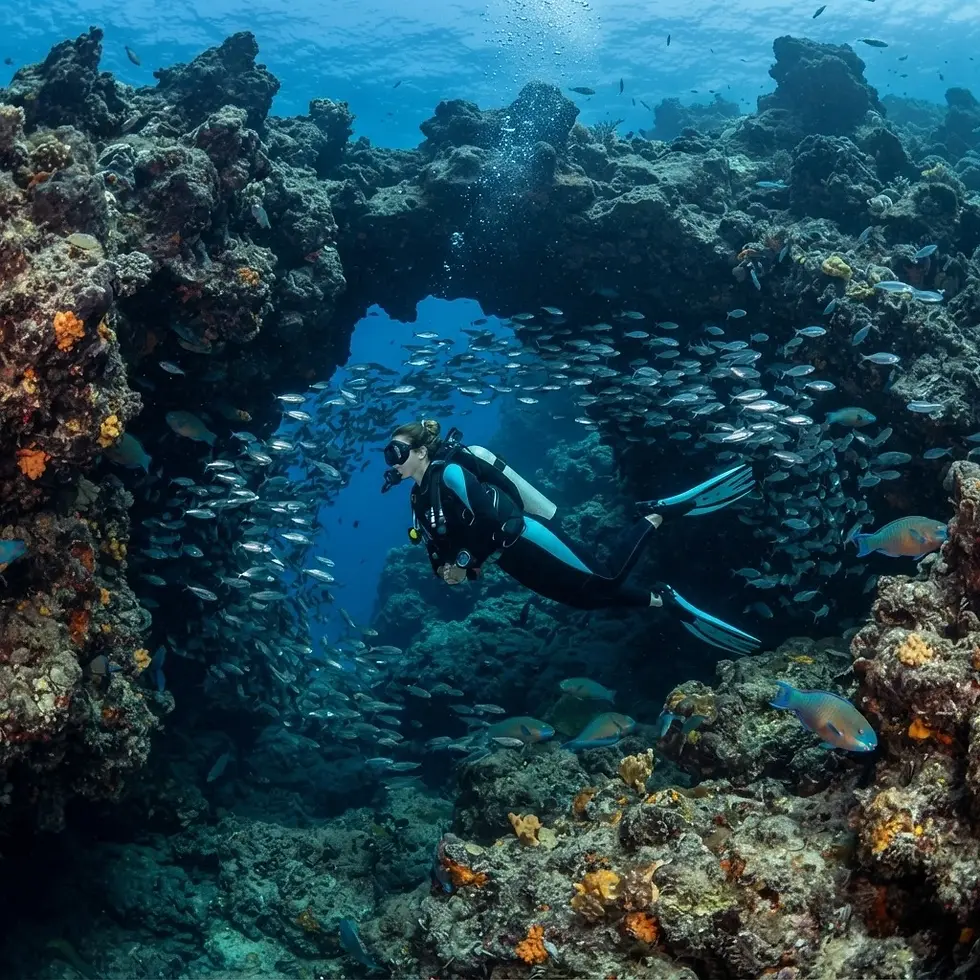
The Atlantic waters around Gran Canaria provide opportunities to explore volcanic rock formations, reefs and marine life, with diving activities available from coastal areas around the island. Las Palmas can be a useful base for visitors interested in discovering underwater environments while also enjoying city life and beaches. Depending on location and conditions, experiences may include shore or boat dives and options for beginners or certified divers. Sea conditions and visibility can change with weather and swell, so always use qualified professionals, follow recognised diving procedures and respect depth and safety limits.
SHOPPING & MARKETS
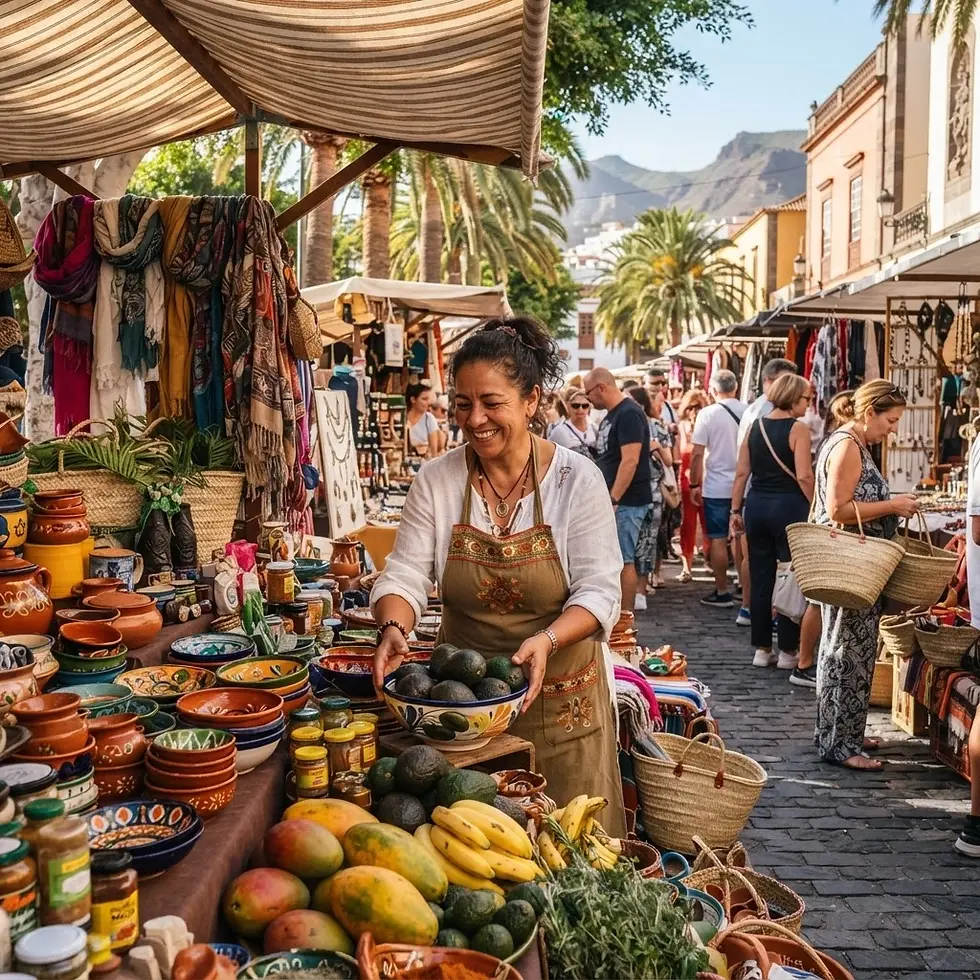
Las Palmas de Gran Canaria offers some of the widest shopping choices in Gran Canaria, from major commercial areas and department stores to independent boutiques, traditional shops and local markets. Visitors can find fashion, jewellery, cosmetics, souvenirs, food products and everyday essentials across different parts of the city. Traditional markets can also provide an opportunity to discover fresh produce, local ingredients and regional products. Shopping areas have different opening patterns and individual businesses may vary, so check current information before planning a visit.
BUYING PROPERTY
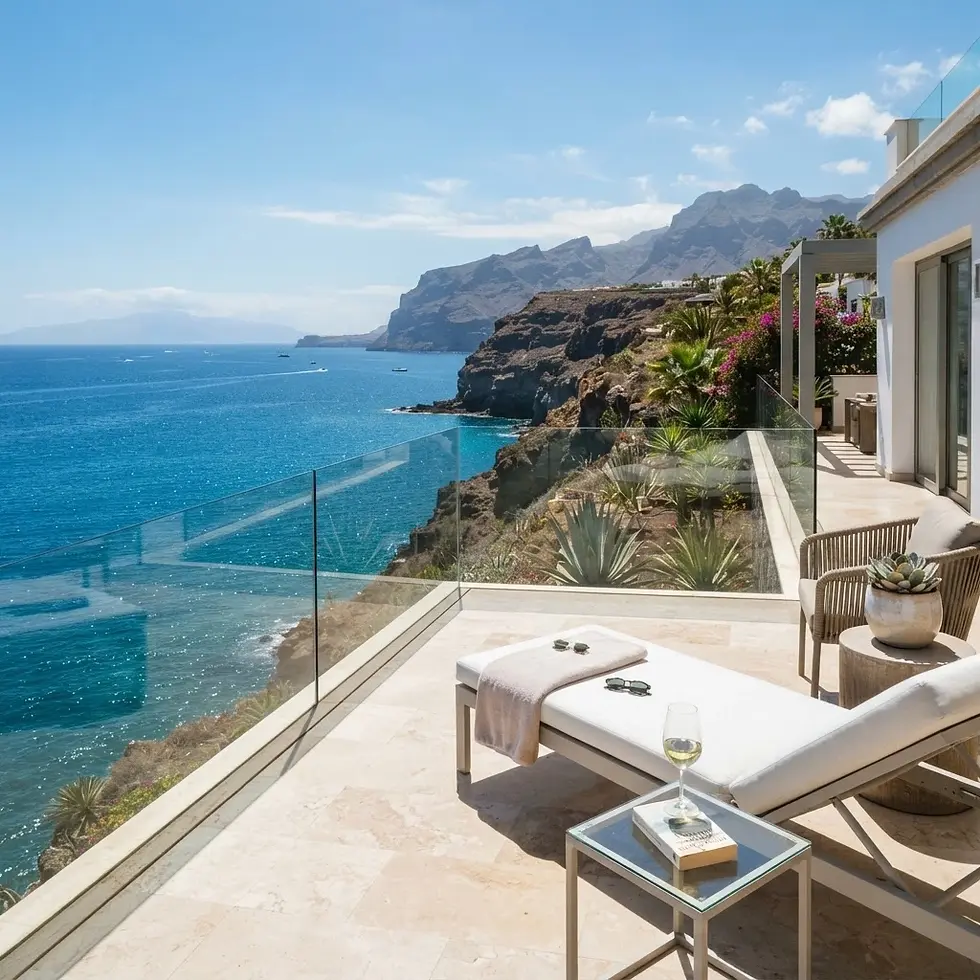
Property in Las Palmas de Gran Canaria ranges from traditional apartments in established neighbourhoods to modern homes, city properties and residences close to the coast. Buyers may be looking for a permanent home, second residence or investment property, with each option involving different costs and responsibilities. Purchase taxes and fees, community charges, insurance, maintenance and local property taxes should all be considered before buying. Obtaining an NIE number, arranging appropriate Spanish banking and using an independent property lawyer are important parts of the process. Anyone considering tourist rentals should check current licensing, accommodation regulations, community rules and tax requirements before making a decision.
GETTING AROUND
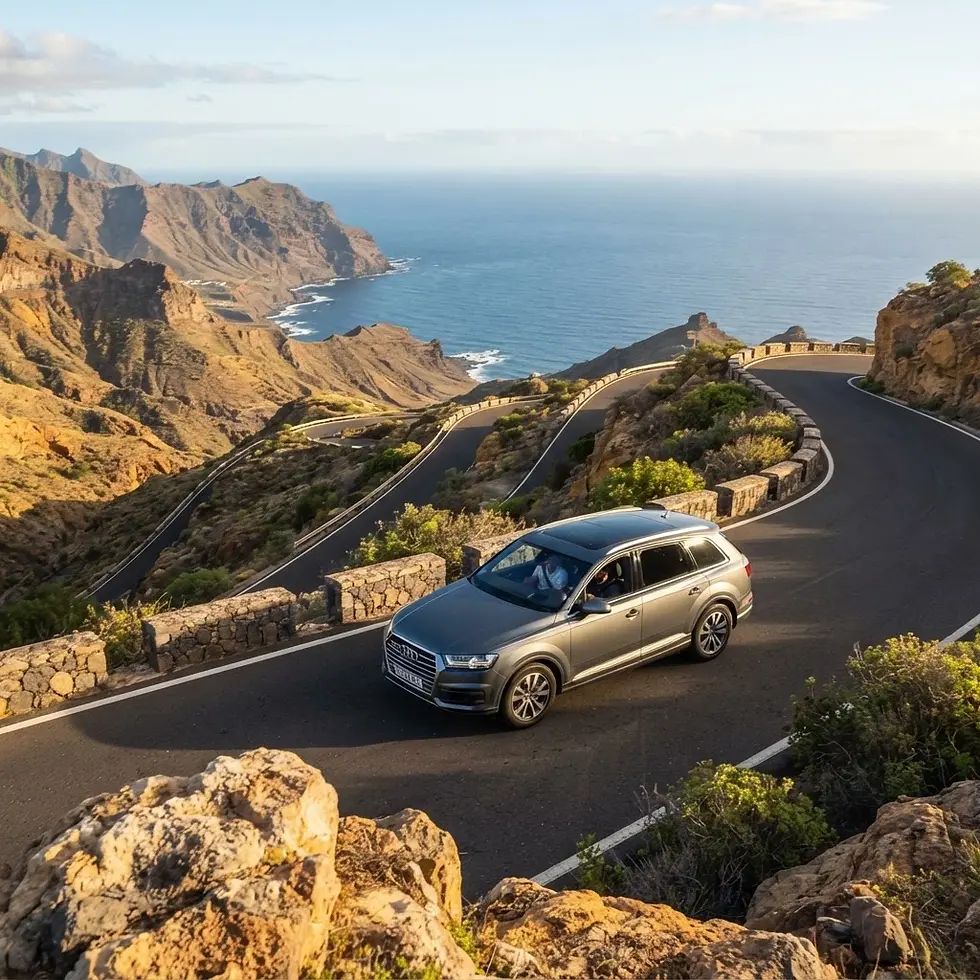
Las Palmas de Gran Canaria has a range of transport options, including public buses, taxis, walking, cycling and car hire. Many popular areas can be explored on foot, particularly around Las Canteras, the waterfront and historic neighbourhoods, although some parts of the city involve hills or longer distances. Public transport can be useful for travelling between neighbourhoods and exploring beyond the city centre, while a hire car provides greater flexibility for island excursions. Before travelling, check current transport information, parking arrangements and accessibility, particularly if travelling with children, luggage or mobility requirements.

HEALTH & EMERGENCIES
Las Palmas de Gran Canaria has extensive access to healthcare services, medical centres, hospitals and pharmacies serving residents and visitors. In an emergency, call 112, the European emergency number for police, ambulance or fire services. Pharmacies (farmacias) can provide advice for many minor health issues and supply medicines, while farmacias de guardia provide out-of-hours pharmacy services on a rotating basis. Visitors should have appropriate travel insurance and check their healthcare arrangements before travelling. European visitors should also check the latest guidance regarding the European Health Insurance Card or its replacement.
Frequently Asked Questions
What is Las Palmas de Gran Canaria known for?
Las Palmas de Gran Canaria is the capital city of Gran Canaria and one of the largest cities in Spain. It is known for Las Canteras beach, one of the finest urban beaches in Europe, the historic Vegueta quarter with its 15th-century architecture, and its connection to Christopher Columbus who stopped on the island during his Atlantic voyages. The city has a year-round subtropical climate and a thriving local culture distinct from the tourist resorts of the south.
What is La Barra at Las Canteras beach?
La Barra is a natural volcanic reef running parallel to Las Canteras beach that creates a sheltered lagoon between the reef and the shore. The lagoon is calm, shallow, and ideal for swimming and snorkelling. The reef also attracts divers and is home to a variety of marine life. La Barra is the defining geographical feature of Las Canteras and what makes it unusually calm for an ocean-facing beach.
What is there to see in Vegueta, Las Palmas?
Vegueta is the historic old quarter of Las Palmas, dating to the 15th century. Key sights include the Santa Ana Cathedral, the Columbus House museum (Casa de Colón), traditional Canarian architecture with carved wooden balconies, and the Mercado de Vegueta. The quarter is walkable and best explored on foot. It is considered the most historically significant district in the Canary Islands.
How far is Las Palmas from the south coast resorts?
Las Palmas is approximately 55–60 km from Maspalomas and Playa del Inglés, around 40–50 minutes by car or direct bus on the GC-1 motorway. The GLOBAL bus network connects Las Palmas to the south coast directly and is a cheap and reliable option. Most visitors staying in the south make a day trip to Las Palmas at least once.
STAY IN THE LOOP LAS PALMAS DE GRAN CANARIA
Sign up to receive practical local tips, area news and new guide content about Las Palmas de Gran Canaria, Gran Canaria and the wider Canary Islands. Occasional updates only, focused on useful travel information.